Table of Content
When calculating repayments for a variable interest rate, we have assumed that the rate stays the same for the duration of the loan term, as we cannot predict future rate changes. The repayments quoted for fixed interest rates are only applicable for the duration of the initial fixed rate period. Annual Percentage Rate applies with a maximum loan-to-value of 100% and a minimum credit score of 661. All APR’s and estimated monthly payments are based on a $15,000 loan amount. Home equity loans and home equity lines of credit sound similar but are actually quite different.
Home prices have appreciated more than 40% across the US since the beginning of the pandemic, and it seems unlikely that they'll go down in a significant way anytime soon. For example, if you have a $500,000 mortgage and you owe $350,000 on it, you have $150,000 in equity. To calculate the percentage, divide $150,000 by your home's value of $500,000 and you'll have 30% of equity available in your home. Lenders will typically let you borrow around 80% to 85% of your home's equity for a home equity loan. So, in this example, you can borrow up to $120,000 to $127,500. Alix is a staff writer for CNET Money where she focuses on real estate, housing and the mortgage industry.
Best For Loan Amounts
For example, if your home is worth $450,000 and you owe $250,000 on your loan, you would refinance for the entire $450,000, rather than the amount you owe on your mortgage. Your new cash-out refinance home loan would replace your existing mortgage, and then offer you a portion of the equity you built (in this case $200,000) as a cash payout. While a home equity loan is a low interest rate financing option, it's not without risk. When you secure the loan, your home acts as collateral, which means you could lose your home if you're unable to repay what you borrowed.
It typically takes a homeowner between five and 10 years to build up enough equity to borrow against their home. Loans have risen sharply since the beginning of the year, but in many cases they're still cheaper than other types of financing, such as personal loans and credit cards. Information provided on Forbes Advisor is for educational purposes only.
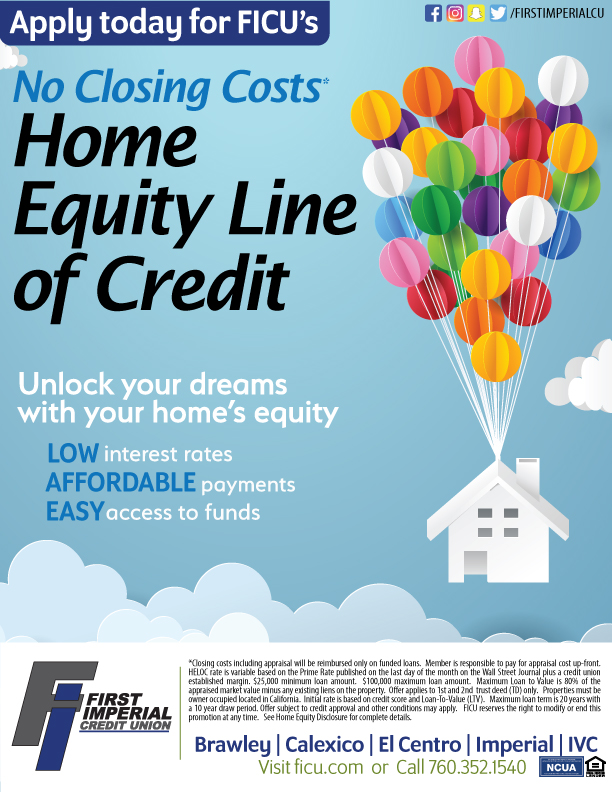
Home Equity Line of Credit
Most lenders prefer you to borrow no more than 80% of your CLTV, but some will go up to 90%. Loan terms range from 10 to 30 years, and there are no origination fees or closing costs. Forbes Advisor compiled a list of the best home equity loan lenders primarily based on their starting interest rate, noting those that excel in various areas. We also graded them based on credit access and speed to close as well as whether they offer low fees or discount promotions. A current fixed rate can be secured for 90 days by paying a $500 rate lock request fee. At settlement you will get the better of the two rates.
The two most common types of home loans are a fixed-rate home equity loan and a HELOC. A fixed-rate home equity loan provides you with a lump sum of a cash at a fixed interest rate that won't change over the lifetime of your loan, providing you with predictable monthly payments. Like regular mortgages, home equity loans have closing costs, such as origination fees, recording fees, and appraisal fees. To do a fair, apples-to-apples comparison of the rates charged by different lenders, you'll want to focus on each loan's annual percentage rate . In addition to the loan's basic interest rate, the APR takes some of the loan fees into account, giving you a more accurate picture of what you'd really be paying to borrow. The repayments quoted in this calculator are based on the inputs that you have populated and should be used as a guide only.
How we make money
Your financial situation is unique and the products and services we review may not be right for your circumstances. We do not offer financial advice, advisory or brokerage services, nor do we recommend or advise individuals or to buy or sell particular stocks or securities. Performance information may have changed since the time of publication. Home equity loans allow homeowners to borrow against the equity in their homes. Equity is the difference between your home’s value minus what you owe on your mortgage.
You won’t know unless you shop multiple lenders through multiple channels. Bankrate follows a strict editorial policy, so you can trust that our content is honest and accurate. Our award-winning editors and reporters create honest and accurate content to help you make the right financial decisions.
What's the Difference Between a Home Equity Loan and a Home Equity Line of Credit?
TD Bank offers home equity loans in 5, 10, 15, 20, and 30-year increments. Rates vary based on the size of the loan as well as the selected term. While rates typically go higher as you move into longer-term loans, TD Bank’s 10, 15, and 20-year loans carry lower rates than the shorter 5-year option. If you’re looking for a home equity loan with a term longer than 5 years, TD Bank could be a good fit. With HELOCs, you’ll go through a draw period where you will make very small interest-only payments and can continue to dip into the credit line as you need it. Once the draw period is over, you’ll begin making full payments to pay off the loan.

A vacation isn't worth risking your home to foreclosure if you can't pay back your home equity loan for any reason. Regardless of the type of loan you use, rates are still elevated across the board and will remain high into 2023. "We've seen drastic increases in the rates for all of those avenues for borrowing," says McBride.
The Federal Trade Commission suggests checking the National Multistate Licensing System website to make sure that you're dealing with a legitimate one. Since credit unions are not-for-profits that are in business to serve their members, their interest rates are often more attractive. That can mean higher interest rates paid on deposit accounts and lower ones charged on loans.
However, you’ll need a high credit score to qualify for that lowest rate. Additionally,TD’s home equity loans aren’t available in all states. Starting APRs are based on borrowers having the best credit profiles and applying for an LTV of 80% or less. It also includes a 0.25% initial rate discount when a borrower sets up automatic payment from an Old National checking account. Old National’s teaser rate blows away the competition, and the rate that follows the intro rate is also much lower than the average among the lenders reviewed.



No comments:
Post a Comment